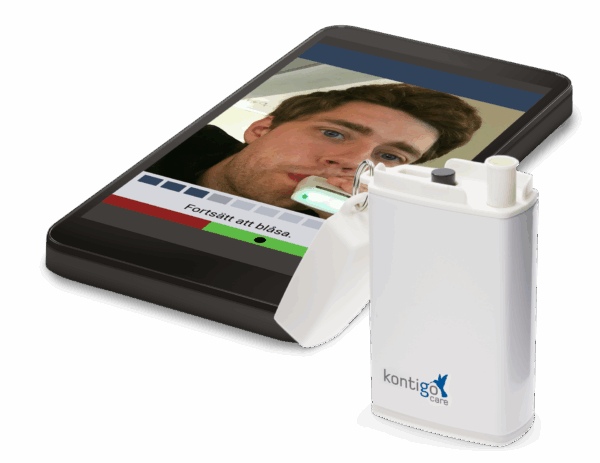




Research for the future of addiction care
Our research is conducted in collaboration with academic partners and is published in peer-reviewed scientific journals, ensuring independent review before publication.

Addiction care where science, innovation and client benefit meet
Published research on Previct® Alcohol shows improved treatment outcomes alongside clear health economic value—such as fewer care days, increased client engagement, and reduced costs.
An independent international review published in Alcohol and Alcoholism highlights that Previct Care is the platform that has advanced furthest in scientific evidence regarding clinical contexts within digital addiction care.
Previct Care combines scientific precision with user-friendly design to support early detection, structured follow-up, and improved treatment outcomes—providing healthcare with a completely new tool for treatment of substance use.
Research overview: Previct® Alcohol
Several studies have been published on Previct Alcohol and its role in addiction care. Here, we highlight key contributions that demonstrate both clinical benefits and health economic value.
Analyses of long-term eHealth data show improved treatment effectiveness. Digital biomarkers can provide a more precise and dynamic view of disease progression in alcohol dependence than traditional self-reports—strengthening healthcare’s ability to support early detection and more tailored interventions.
Much of the research on Previct Alcohol is based on core patient activities such as regular sobriety testing, engagement through questionnaires, and communication via messages and help functions. For that reason, many findings and insights can be applied across Kontigo Care’s product portfolio.
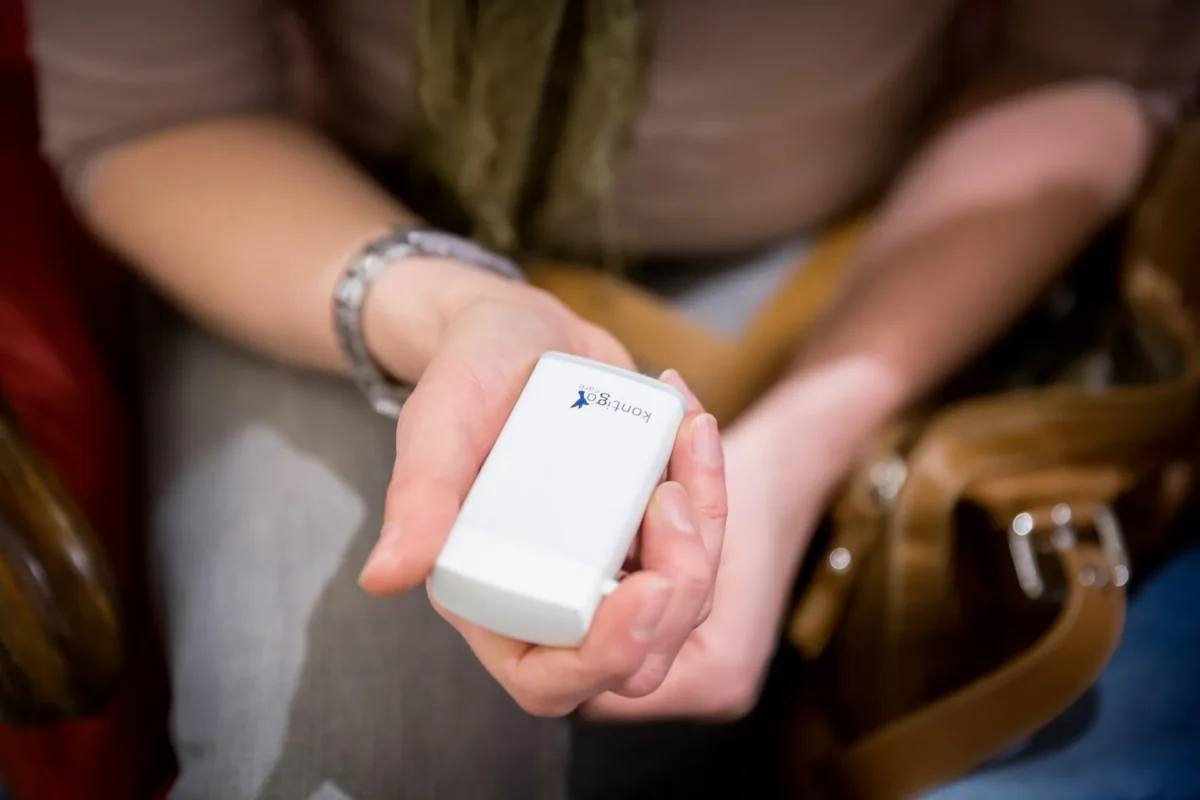

Overview of Previct® Drugs
Previct Drugs is a CE-marked medical device (MDR Class I) that uses smartphone-based eye scanning to indicate drug use in real time. The method is built on three tests—pupillary light reflex (PLR), crossing eyes (NC) and side-gaze nystagmus (NY)—where AI models interpret patterns in the eyes’ responses.
Unlike traditional testing methods such as blood, urine, or saliva, the method is fast, non-invasive, and can be performed multiple times per day—indoors and independent of location.
Research shows that Previct Care can be used independently after brief instruction, even by individuals with heavy substance use.
Previct Drugs can differentiate between drug classes—such as opioids and central stimulants—and indicate impairment up to five hours after intake. Pilot use also suggests that the system can reduce stigma, strengthen self-control, and enable healthcare providers to detect patient relapse earlier.
Summary of findings
Our research highlights that:
• Digital tools and biomarkers can improve the quality of addiction care
• Treatment outcomes can be improved through structured digital follow-up
• Even incomplete survey responses can be transformed into meaningful biomarkers
• Digital biomarkers can provide a more precise and dynamic view of alcohol dependence and disease progression than traditional self-reporting, enabling earlier and more individualized interventions
• Substance use can be indicated through smartphone-based eye analysis
Together, these findings show how digital health and biomarkers can strengthen addiction care—making treatment more effective, adaptable, and client-centered.