



During the summer, our routines change. Dinners get later, weekends merge with weekdays, and alcohol can easily take on a bigger role than we thought. For many families, it’s not the drama that’s the problem, but the gradualness: a little more often, a little more, a little harder to say no.
In the previous post we wrote about summer from a child’s perspective. About how adult drinking can affect the atmosphere at home, even when no adult themselves thinks anything special has happened. This post is about the other side of the same thing: our habits. Because summer drinking habits are rarely just about alcohol. They are about stress, reward, community, loneliness, tradition and the need to relax.
“It’s just a vacation”
It’s a sentence many people recognize. And of course – vacations should be different. But that’s exactly why it can be easy to lose your own boundaries.
IQ’s summer survey 2025 shows that four out of ten, 39%, drink alcohol every other day or more often during the holidays. One in four, 26%, say they drink more than they originally intended, and one in six, 17%, have drunk so often or so much that they have questioned their own drinking. These are figures that many can identify with. Not because they have a “problem”, but because routines change when the holidays begin.
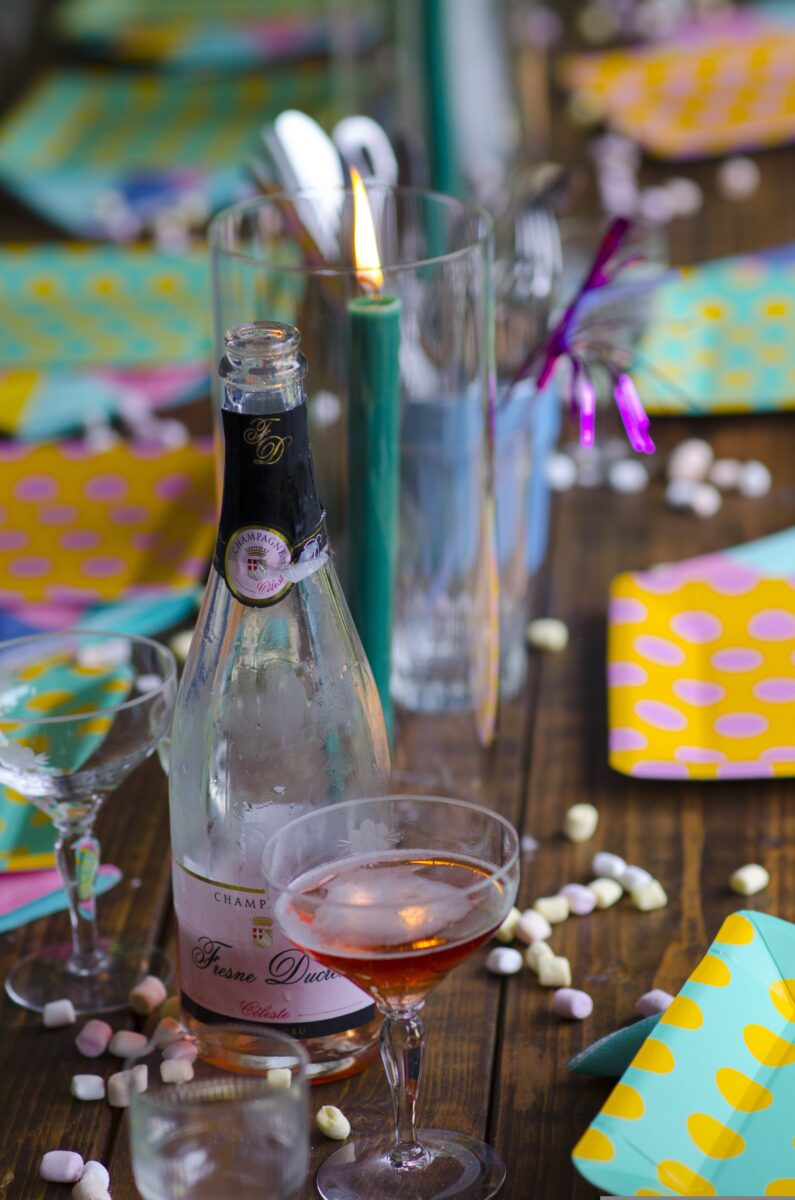
One glass on Friday becomes one glass on Wednesday. One beer after mowing the lawn becomes two. The rosé that used to be part of the barbecue night starts to be part of almost every night. And when the kids are asleep, alcohol can feel like the fastest way to time alone.
Alcohol as recovery – a common but fragile strategy
In the same survey, 21% stated that they drink alcohol to unwind during the summer holidays.
It’s easy to see why. Many people go into the holidays tired. Parents can carry a year’s worth of logistics: jobs, pick-ups, drop-offs, care plans, school meetings, relationships, finances, and demands. When the holidays finally arrive, there’s an expectation that everything will feel easier.
But recovery based on alcohol can be fragile. It can work for the moment, but at the same time make sleep worse, irritation greater and presence less. For a family, it can have more of an impact than you think. The Public Health Agency emphasizes that alcohol consumption carries risks of injury and illness, and that it is currently not known whether there is any level of alcohol consumption that does not increase the risk.
Five small summer decisions that can make a difference
It doesn’t have to start with big promises. It’s often more helpful to make concrete choices that can be kept.
1. Set alcohol-free days in advance
Not as a punishment, but as a resting point. For example: “We don’t drink Monday through Thursday” or “When we’re alone with the kids, we’re alcohol-free.”
2. Make alcohol-free visible and delicious
Children see what adults celebrate with. When alcohol-free is presented as an obvious option, the norm also changes.
3. Talk to adults before the situation arises
Decide who will drive, who will be responsible for the night shift, and what will apply when the children are involved. It is easier to agree before the bottles are opened.
4. Follow up without shame
Ask yourself: “Did it turn out the way I planned?” If the answer is no, be curious instead of harsh. What happened? Stress? Social pressure? Habit?
5. Get help early
Support doesn’t have to be a last resort. It can be a way to understand your patterns before they have a chance to create bigger consequences.
Children learn more from everyday life than from lectures
The Public Health Agency of Sweden shows that alcohol consumption among young people in Sweden has decreased during the 2000s, but that children and young people are particularly vulnerable to the effects of alcohol. In 2024, 35% of students in grade 9 and 69% in year 2 of upper secondary school stated that they had drunk alcohol at some point in the past 12 months.
As an adult, you are therefore not only responsible for your own consumption. You are also part of the child’s image of what alcohol means. Is alcohol something that is needed to celebrate? To relax? To dare to talk? To cope with stress? Or is it something that adults can choose, opt out of and talk openly about?
That question can be especially important during the summer, when children and teenagers often see more of adults’ social lives than during the rest of the year.
A safe summer doesn’t have to be perfect
There is no perfect family summer. Children will fight in the car. The weather will disappoint. Someone will lose their temper. Some dinners won’t go as planned. But security doesn’t require perfection. It requires adults who are approachable. Adults who dare to reflect. Adults who can say: “That didn’t go well, I want to do it differently.” For those who notice that alcohol is taking up more space than they intended, summer can be a good time to stop. Not to judge themselves, but to choose a direction.
Maybe the change starts with an alcohol-free evening.
Maybe with a conversation.
Maybe with writing down how often and how much you actually drink.
Maybe with asking for support.
And maybe that is one of the best gifts you can give your family: a summer where presence takes precedence over alcohol.
LINKS (swedish):
Systembolaget
Folkhälsomyndigheten
Lokalt i
Femina
Cicion.com